
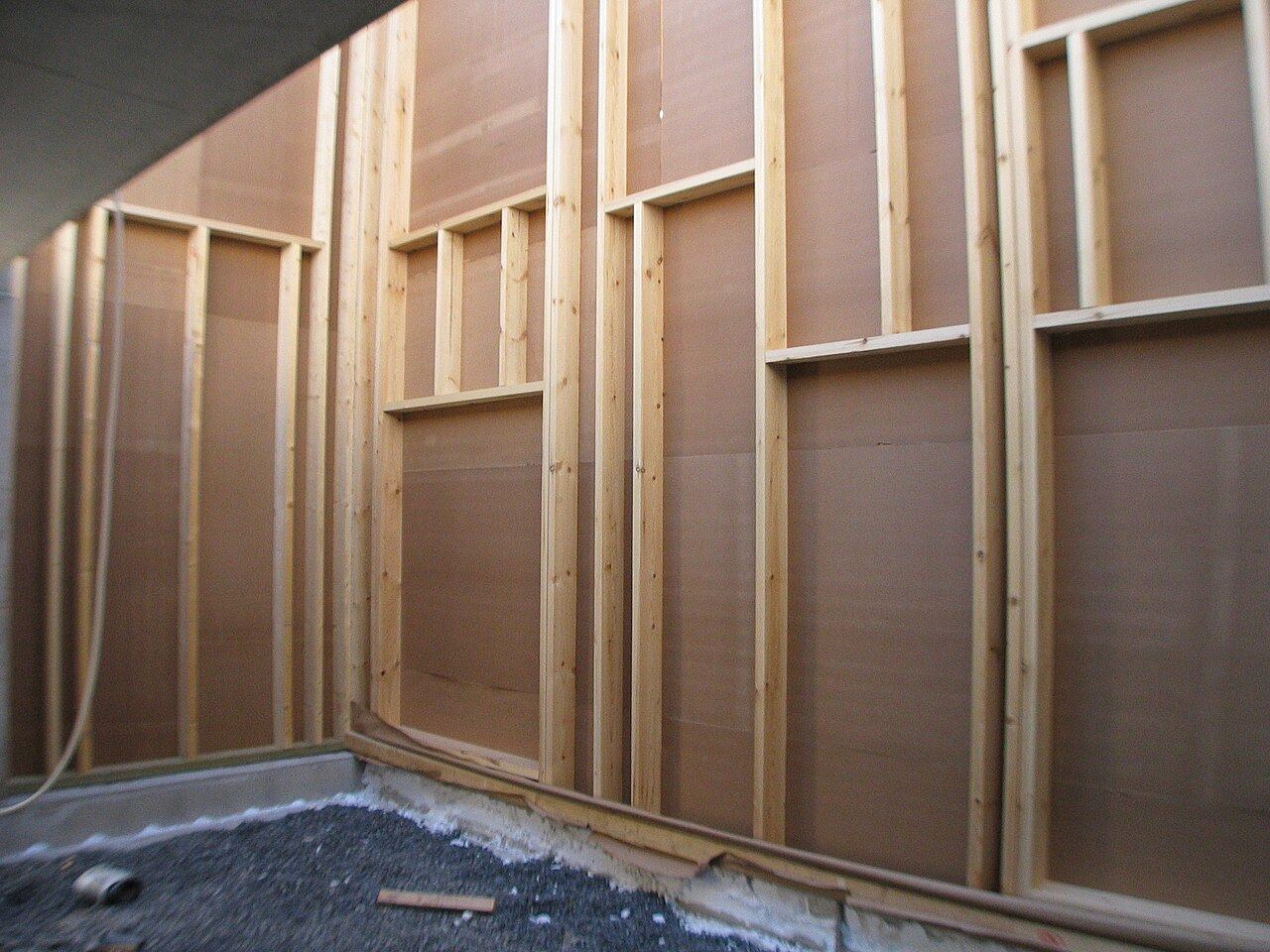
Harvey Stern handles construction defect claims for homeowners, condominium associations, commercial owners and the contractors and subcontractors defending them, across Los Angeles County. Typical defects: water intrusion through roofs, windows, decks and stucco; foundation, slope and soils failures on hillside lots; plumbing and electrical not to code; structural deficiencies; and the balcony and exterior elevated element problems now surfacing in older multifamily buildings. He holds a California general contractor's license and evaluates the construction before an expert is retained.
Recognizing a defect case
Not every construction problem is a legal claim, and not every claim is worth pursuing. The questions are whether the work fell below the standard of care or the building code, who is responsible, what it will cost to fix, and whether the responsible party is still solvent and insured. Harvey can usually answer the first and third questions on a site visit. The second and fourth take a little investigation. Together they determine whether the case is a demand to the contractor's insurer, a Right to Repair claim, a lawsuit or, sometimes, a repair you should just pay for and move on.
The legal framework in California
- Limitations periods. Four years from substantial completion for patent defects (Code of Civil Procedure section 337.1) and ten years for latent defects (section 337.15), with shorter periods for negligence (three years), breach of written contract (four years) and oral contract (two years) running from discovery.
- The Right to Repair Act (Civil Code sections 895 to 945.5) governs new residential construction sold after 2002. It sets functionality standards for every building component, component-specific time limits (some as short as one year for items like irrigation and dryer ducts, four years for plumbing and electrical, ten for most structural items), and a mandatory pre-litigation procedure: written notice to the builder under section 910, a right to inspect, and a right to offer repair. Skipping the procedure can stall a case; using it well often resolves one.
- Older homes and remodels are governed by contract, negligence and the building code in effect when the permit was pulled. Remodel claims in Beverly Hills and Brentwood are often also home improvement contract claims.
- Balconies and exterior elevated elements. Civil Code section 5551 (associations) and Health and Safety Code section 17973 (rental buildings) require periodic inspections. The reports those inspections generate are frequently the first evidence of a defect claim against the builder or a prior repair contractor.
- Insurance. Most defect recoveries are paid by a commercial general liability carrier. The firm tenders early, tracks the policy years, and structures the claim to fit the coverage.
How the firm builds the case
A site visit, usually with Harvey, a review of the permit file and plans, and a decision about which expert, if any, is needed. Many cases need a single building-envelope or geotechnical expert rather than the five-expert team a large firm would assemble. A demand goes to the contractor and its insurer with a repair scope and cost. If the Right to Repair Act applies, the section 910 notice goes out and the inspections are managed. Mediation follows in most cases, and the firm's settlement results in defect matters reflect the leverage that comes from a credible repair estimate and a client who is prepared to try the case.
Defending contractors and subcontractors
The firm also defends contractors, subcontractors and design professionals in defect claims, with particular attention to tendering the claim to the right carrier, allocating responsibility among trades, and the defenses that come from owner-directed changes, maintenance failures and design errors. A defense attorney who has been the contractor is a different kind of advocate.
Frequently asked questions
What counts as a construction defect in California?
Work that fails to meet the building code, the plans and specifications, the manufacturer's installation requirements or the standard of care for the trade, and that causes damage or a loss of function. For new homes sold after 2002, the Right to Repair Act defines the standards component by component. Cosmetic issues and normal wear are generally not defects; water intrusion, structural movement, improper flashing and code violations are.
Do I have to give the builder a chance to repair before I sue?
For new residential construction covered by the Right to Repair Act, yes. Civil Code section 910 requires written notice describing the defects, and the builder then has a right to inspect and to offer a repair within set deadlines. The procedure does not apply to most remodels and older homes, but many contracts require mediation first, and a well-documented demand is usually the right first move regardless.
Who pays for a construction defect: the contractor or the subcontractor?
The owner's claim is usually against the general contractor, who is responsible for the work of its subcontractors, and sometimes directly against a subcontractor or design professional. Among themselves, the contractor and subs allocate responsibility through indemnity clauses and insurance. Most of the money comes from liability insurance, which is why tendering the claim early matters.
Can a condominium association sue the developer for defects?
Yes. Associations have standing under Civil Code section 5980 to sue for damage to common area and, in many cases, to separate interests. Davis-Stirling requires the board to follow specific notice and member-approval steps before filing, and the Right to Repair Act's procedures apply to newer buildings. The firm represents associations in these cases and advises boards on the repair-versus-litigate decision.