
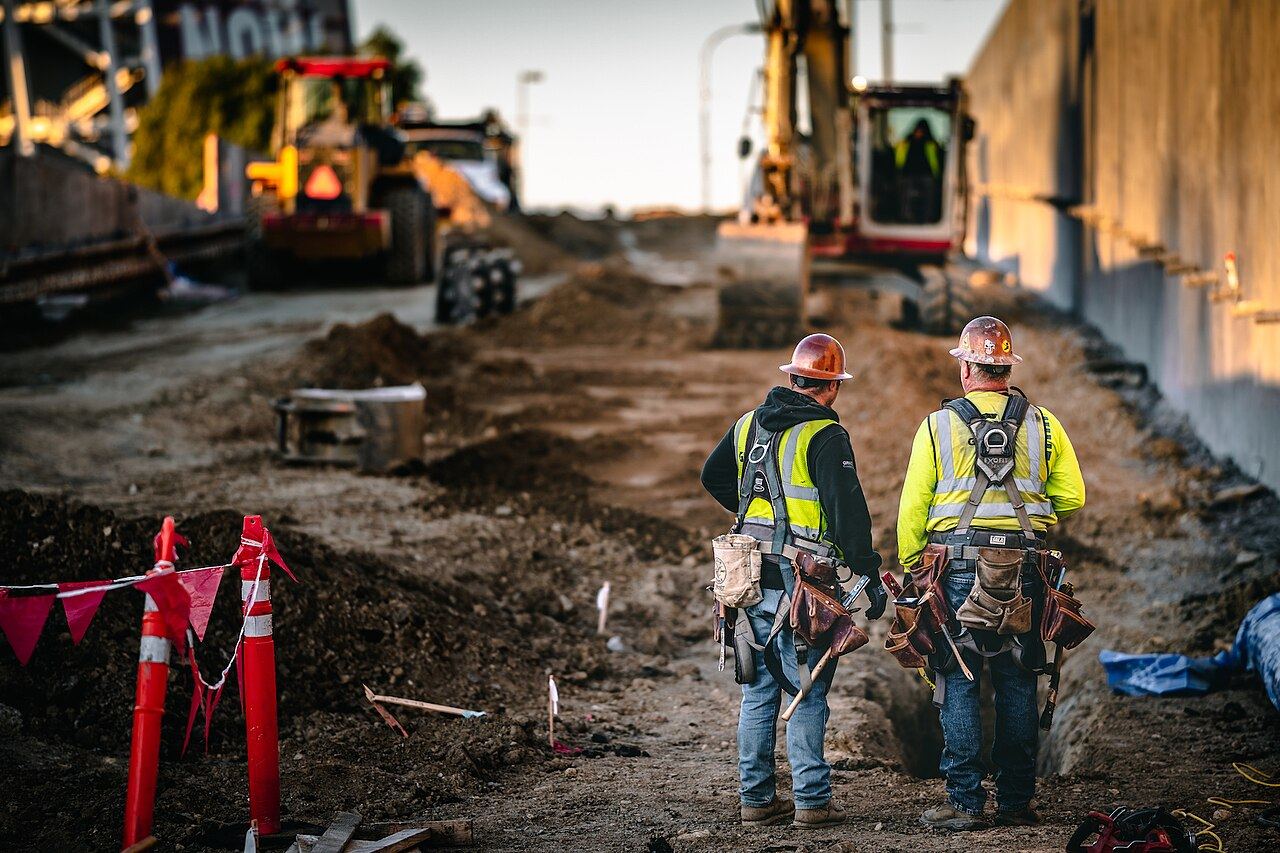
Harvey Stern represents homeowners and contractors in residential construction disputes across Los Angeles County: abandoned and delayed projects, overbilling and unpaid balances, defective workmanship, unlicensed or improperly licensed contractors, home improvement contract violations under Business and Professions Code section 7159, Contractors State License Board complaints, and the mechanics liens that usually accompany these fights. He holds a general contractor's license and has run a construction company.
For homeowners
A residential construction dispute in Los Angeles usually involves some combination of: a contract that did not comply with section 7159; payments made ahead of the work; changes that were never written down; a contractor who was unlicensed, whose license had lapsed, or who was working under someone else's license; and work that does not pass inspection. The remedies are stronger than most owners realize.
- Unlicensed contractors cannot sue you for payment and must return everything you paid them (Business and Professions Code section 7031). This applies to contractors whose license lapsed mid-project and to "handymen" on jobs over $500 in labor and materials. The Contractors State License Board license lookup takes thirty seconds.
- Abandonment without legal excuse is a licensing violation (section 7107) and a breach of contract. You can recover the cost to complete, delay damages and, under many contracts, attorney's fees.
- Excessive down payments and payments ahead of work violate section 7159 and section 7159.5 and support a CSLB complaint and a claim for the overpayment.
- Defective work is a construction defect claim with its own deadlines, and often an insurance claim against the contractor's liability carrier.
- The CSLB complaint is a tool, not a substitute for a lawsuit. It can lead to discipline, a license bond claim (the contractor's bond, typically $25,000, is available to injured owners), and sometimes a negotiated resolution. The firm files it in parallel with the civil claim.
For contractors
Owners who change the plans weekly, refuse to sign change orders, withhold payment to "hold leverage," or bring in a relative to finish the job at the end are the other half of this practice. The firm enforces contracts and change orders, records mechanics liens on the 90-day clock, pursues prompt-payment penalties, defends CSLB complaints, and defends against defect claims by tendering to the right carrier and documenting owner-caused problems. Harvey has been the contractor who was not paid. He knows the daily log is the case.
How these disputes resolve
Most residential contractor disputes settle after a demand letter that lays out the licensing violations, the contract violations and the cost to complete with a licensed contractor's estimate, and that quantifies the owner's section 7031 disgorgement claim where it applies. Contractors with insurance tend to settle once the carrier is involved. Cases that do not settle go to mediation, then to Superior Court or arbitration under the contract. The firm handles small-dollar disputes as well as large ones; a $40,000 kitchen is a large sum to the family that paid for it.
Frequently asked questions
My contractor abandoned the project. Can I keep the money I have not paid and hire someone else?
Generally yes, once the contractor has abandoned without excuse, but do it carefully: give written notice, document the condition of the work, and get a licensed contractor's estimate to complete before you start. The unpaid balance is applied against the cost to complete, and you can sue for the difference plus delay damages and, if the contract provides, attorney's fees. A CSLB complaint for abandonment under section 7107 is usually filed at the same time.
The contractor says he is licensed but the license is under a company I never heard of. Is that a problem?
It can be a serious one. The license must be held by the contracting entity named in your contract, and a license cannot be lent or used by someone who does not actually run the business. If the person you hired was not the licensee, or the licensee's qualifier was not involved in the work, the contractor may be treated as unlicensed, with all of the consequences under section 7031. The CSLB record and the contract tell the story.
How much can a contractor ask for as a down payment in California?
On a home improvement contract, no more than $1,000 or 10 percent of the contract price, whichever is less (Business and Professions Code section 7159(d)(8)), unless the contractor has posted a special bond. Progress payments must correspond to work actually completed or materials actually delivered. A contractor who collected 50 percent up front has violated the statute, and that violation is evidence in a dispute.
I am a contractor and the owner will not pay the final invoice. What are my options?
Record a mechanics lien within the deadline (90 days after completion, or 60 after a notice of completion), send a demand under the contract, and if there is a construction lender, consider a stop payment notice. Prompt-payment statutes add a 2 percent per month penalty and attorney's fees for wrongfully withheld progress payments and retention. Then negotiate from strength. The firm handles all of these steps and the foreclosure or breach of contract suit that follows if needed.