
Straight answers to the questions people ask before they call. For questions specific to a practice area, each practice page has its own FAQ.
My contractor walked off the job. What can I do?
Document the state of the work with dated photos and keep every contract, change order, invoice and text message. Do not pay anything further until the scope and the money are reconciled. In California, a licensed contractor who abandons a project without legal excuse can face a CSLB complaint, disgorgement claims and liability for the cost to complete. Harvey can usually tell you in the first call whether a demand letter, a CSLB complaint, or a lawsuit is the right first move.
A contractor recorded a mechanics lien on my property. Is it valid?
Not necessarily. California mechanics liens have strict preconditions: a preliminary notice in most cases, recording within 90 days of completion (or 60 days after a notice of completion), and a lawsuit to foreclose within 90 days of recording. Liens that miss a deadline, overstate the amount, or come from an unlicensed contractor can be challenged and removed, and the owner can recover attorney's fees in some situations.
How long do I have to sue over a construction defect in California?
It depends on the defect. Patent (obvious) defects generally carry a four-year limit from substantial completion; latent (hidden) defects carry ten years. Separate, shorter periods apply to specific components under California's Right to Repair Act for newer homes, and that Act requires a pre-litigation notice procedure. Because the clock may already be running, it is worth getting a free assessment early.
My neighbor is blocking an easement. Can you help?
Yes. Easement disputes are among the most common matters the firm handles. Harvey reviews the recorded documents and the history of use, and in many cases a letter with a clear legal position resolves the problem. When it does not, the firm files for declaratory relief and an injunction, and seeks damages where appropriate.
Do you offer a free consultation, and how are fees structured?
The first consultation is free, in person in Beverly Hills, by phone, or on Zoom. After that you receive a written fee agreement, as California law requires. Most litigation is billed hourly; contract reviews and demand letters can often be handled for a flat fee. The goal is always to resolve the dispute at the lowest cost that still protects your position.
Why does it matter that the attorney is also a licensed contractor and broker?
Most real estate and construction cases turn on facts an ordinary lawyer has to hire an expert to understand: whether a change order was priced fairly, whether work met code, whether a disclosure was adequate, what a deal was actually worth. Harvey Stern holds a California general contractor license and a real estate broker license and has run construction, escrow and brokerage companies. He reads a contract, a site and a transaction the way the other side's expert would, from the first meeting.
What areas does the firm serve?
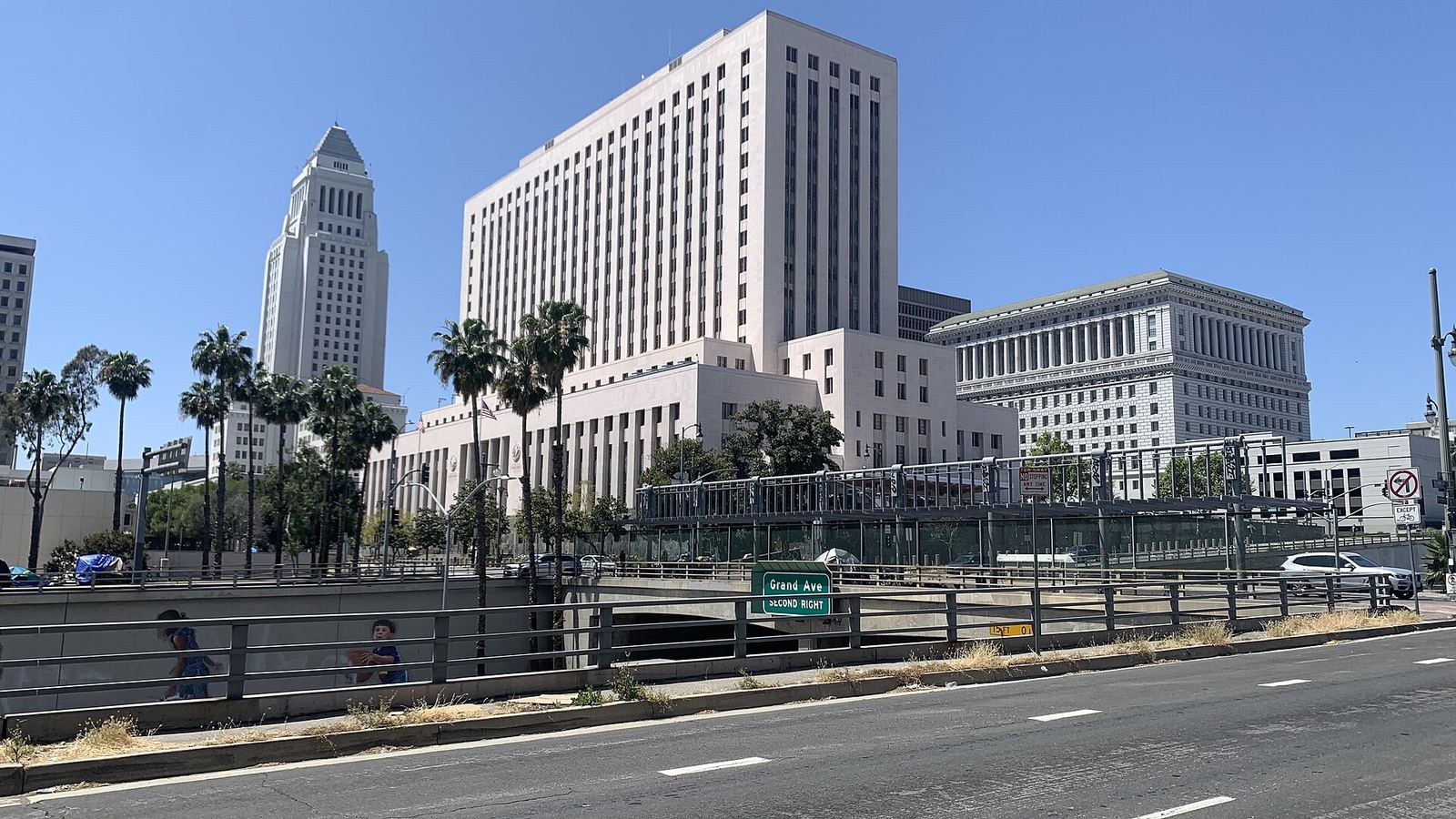
All of Los Angeles County, from the office at 9454 Wilshire Blvd. in Beverly Hills. Clients come from Beverly Hills, Los Angeles, Century City, Santa Monica, West Hollywood, Brentwood, Bel Air, Westwood, the San Fernando Valley and beyond. Harvey appears in every Los Angeles Superior Court courthouse and in the federal Central District of California.
How quickly will I hear back?
Calls and online requests are returned within one business day, usually the same day. If your matter involves a deadline, say so in the message and it will be prioritized.
Can we meet on Zoom?
Yes. Consultations and most meetings are available by Zoom or phone, and Harvey meets clients at the property or job site when that is useful.
Do you handle small cases?
Yes. A $40,000 remodel dispute or a $25,000 lien is a large sum to the person dealing with it, and many of these matters resolve with a demand letter at a modest cost. The free consultation is the place to find out whether a matter is worth pursuing.
Will Harvey handle my case personally?
Yes. Harvey is the attorney at the consultation, in court and at mediation. The firm is small by design.
What should I bring to the consultation?
The contract or purchase agreement, any disclosures, inspection reports, change orders, invoices, recorded documents (deeds, easements, liens), photographs, and the correspondence with the other side. Do not worry if it is incomplete; Harvey will tell you what is missing.
Do you handle landlord-tenant evictions?
The firm handles commercial unlawful detainer and commercial lease disputes. It does not handle routine residential evictions or tenant defense, but it does handle the real estate, partnership and construction disputes that involve residential buildings.